





















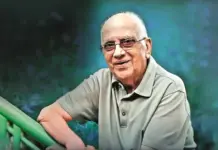






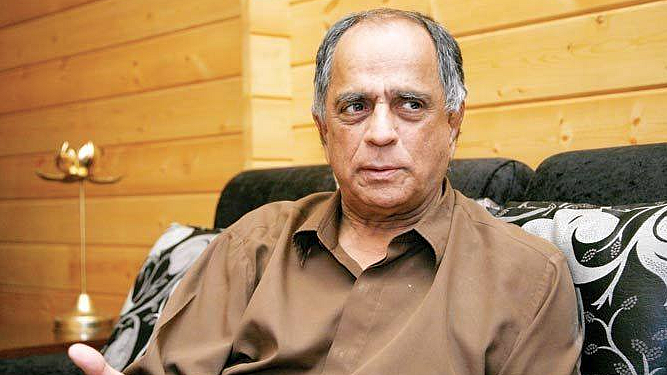
Producer and erstwhile chairman of the Central Board of Film Certification, Pahlaj Nihalani, passed away on 4th June in Bombay due to a liver ailment. The man was a prolific producer and although his stint at the CBFC was not very long, producers remember him as a strict but very helpful CBFC chief.
He served the CBFC for a little over two-and-a-half years — from January 21, 2015 to August 11, 2017 — with unwavering dedication, discipline, and a deep respect for the certification process.
It sometimes appeared that for Nihalani, the CBFC guidelines were as sacrosanct as the Indian Constitution itself. Of course, this made him a very strict CBFC chairman, something which producers often regretted.
He attended the CBFC office daily, from morning till late evening, ensuring that applications for certification were processed promptly and that no film remained pending if that could be helped. It was not rare to find Nihalani in office till late hours to ensure that censor certificates were issued without delay. In exceptional circumstances, he would facilitate film screenings even on holidays. His office functioned with an open-door policy, ensuring that every applicant received a hearing and every file received attention. He was particularly sensitive to the challenges faced by small and regional film producers.
His tenure was marked by his insistence that certification decisions be taken strictly according to established procedures. For instance, during the much-discussed certification process of Indu Sarkar in 2017, he maintained that the matter should follow the prescribed CBFC mechanism, including consideration by the revising committee. As chairperson, he maintained that committee members should independently apply the Board’s guidelines and arrive at their own conclusions. It is believed that it was this episode which led to his ouster as chairman.
What, perhaps, distinguished Pahlaj Nihalani as CBFC chairman was his easy accessibility to producers. Anyone could meet him without prior appointments, and he made it a point to personally hear their concerns. Known for his warmth and hospitality, he often offered guests tea, coffee, and refreshments at his own expense. He never relied on official privileges for personal comfort.
Whether one agreed with his decisions or not, few can dispute the extraordinary commitment, accessibility, and work ethic that he brought to the office.
In 2018, the examining committee (EC) and revising committee (RC) members used to be paid an honorarium of only Rs. 750 per screening. While tea, coffee and biscuits were routinely served before screenings, it had gradually become common practice for committee members to order refreshments, snacks and even full meals during the screening process, all at the expense of the producer whose film was being viewed. In some cases, members would order food from their preferred restaurants and even carry packed food home. For a committee of five members, the producer often ended up spending anywhere between Rs. 5,000 and 10,000 over and above the official charges. Understanding the unnecessary burden being placed on producers, Pahlaj Nihalani immediately took up the issue with the I & B ministry and recommended that the screening honorarium be increased from Rs. 750 to Rs. 1,500 per show. Once that was done, he made it compulsory for committee members to pay for their own meals and refreshments rather than passing the expense on to producers.
Nihalani also ensured that the additional charge of Rs. 10,000, which was being collected towards industry welfare, was discontinued, providing further relief to producers.
These may appear to be small administrative decisions, but they reflected Pahlaj ji’s larger philosophy: to protect the interests of the film industry, especially producers.